This article provides general information drawn from the sources below. It has not received an independent specialist review and cannot account for your individual health or safety needs.
The useful part
- Choose one main strategy: complete meals, flexible components, or emergency options.
- Cool, package, label, freeze, thaw, and reheat according to current USDA guidance.
- A shallow, searchable inventory is more useful than a tightly packed freezer full of unidentified food.
A useful freezer answers a weeknight question quickly: what can become dinner with the time and attention available? Organization begins with a meal strategy, then uses packaging and labels to preserve identity, quality, and safe handling.
Whole Foods Market named elevated freezer convenience in its 2026 retailer forecast. That forecast is an editorial-timing signal, not independent proof of household demand or the performance of any product. The durable opportunity is to make frozen food visible, combinable, and easy to handle safely.
Choose your freezer strategy
Complete meals suit nights when one container should solve dinner. Components—cooked grains, sauces, chopped ingredients, or portions from a larger batch—offer flexibility. Emergency options are familiar items that require almost no planning. Most freezers can use all three, but one should occupy the easiest-to-reach zone.
Inventory first and discard only according to applicable safety and quality guidance. Frozen food kept continuously at zero degrees Fahrenheit remains safe indefinitely according to FoodSafety.gov, while recommended freezer times address quality. Uncertain handling before freezing is a separate issue that freezing does not erase.
| Model | Best for | Packaging priority | Tradeoff |
|---|---|---|---|
| Complete meals | Lowest-decision evenings | Meal-size shallow containers | Less flexible when appetites or plans change |
| Components | Mix-and-match cooking | Small portions and clear labels | Requires a little assembly |
| Emergency options | Unexpectedly late nights | Visible front zone and simple instructions | Can become repetitive without rotation |
Sources: FoodSafety.gov; Whole Foods Market
Cool and package with safety in mind
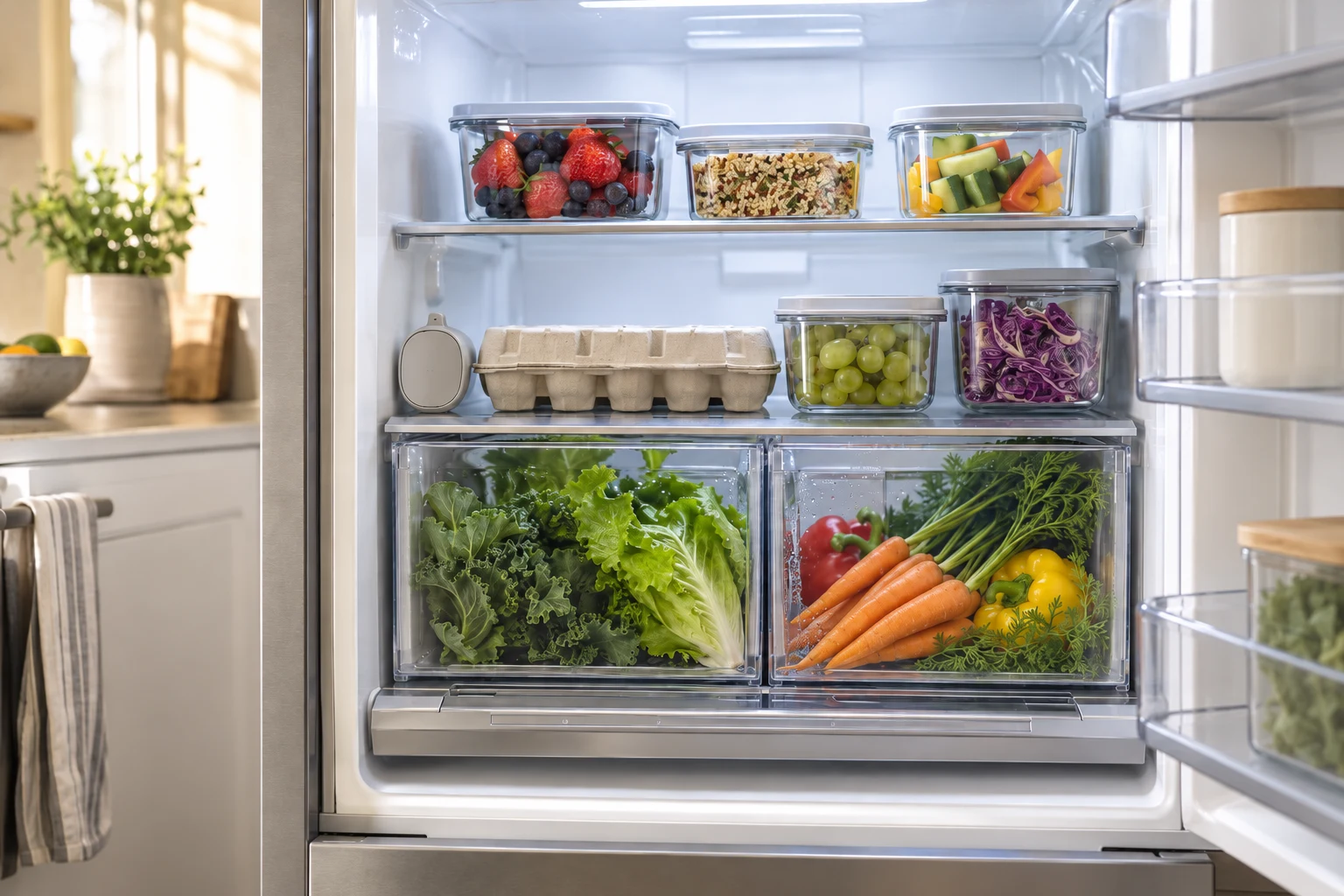
USDA advises dividing large amounts of hot leftovers into shallow containers for rapid cooling and refrigerating them promptly. Hot food can go directly into the refrigerator or be rapidly chilled in an ice or cold-water bath. Follow the source guidance for the specific food and situation.
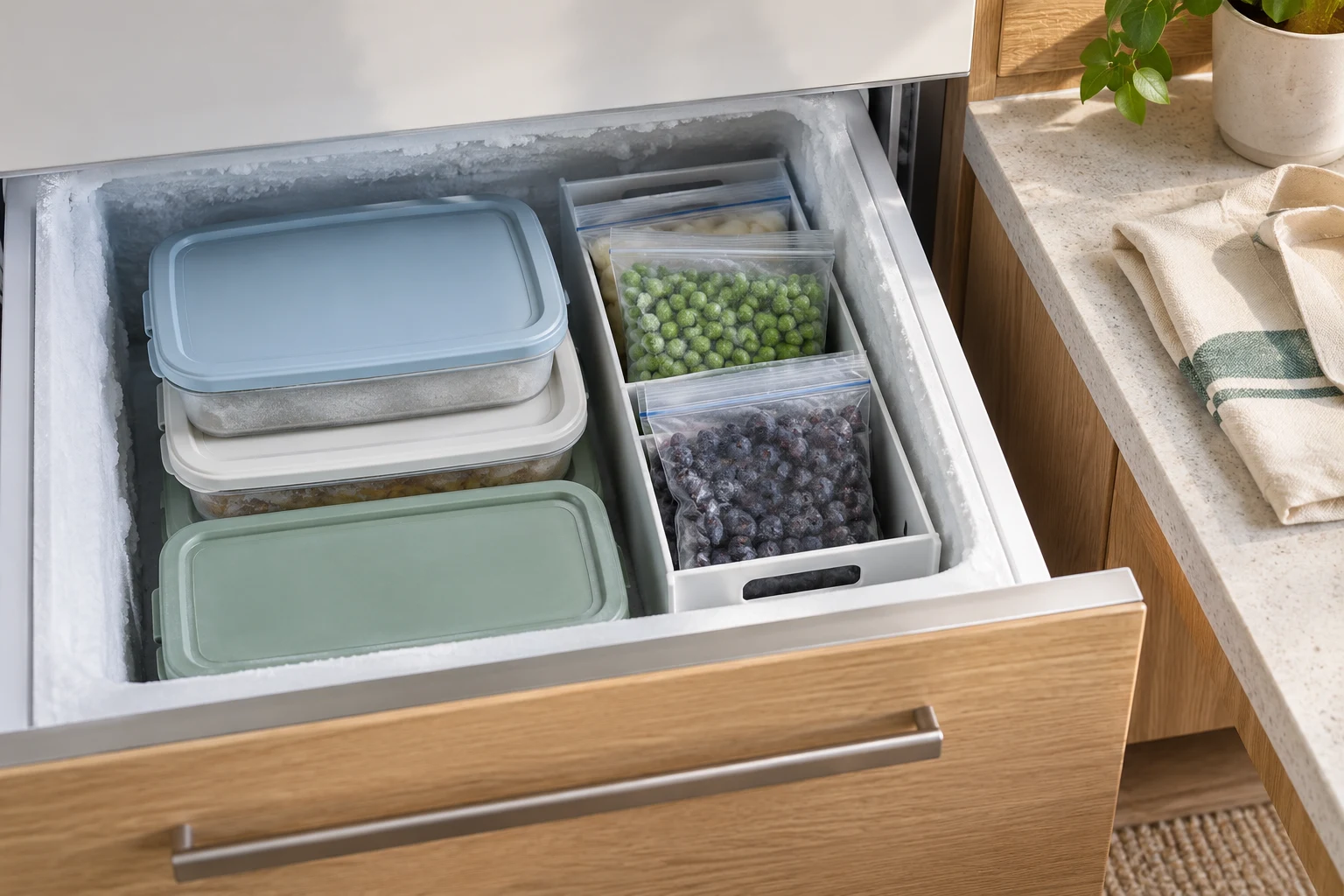
Use packaging intended for freezer conditions, leave appropriate expansion space, remove excess air where the container instructions allow, and freeze useful portions. A vacuum sealer or silicone tray is a workflow tool, not a safety guarantee; verify material, temperature, and food-contact specifications.
Sources: USDA Food Safety and Inspection Service; USDA Food Safety and Inspection Service
Label for the person opening the freezer
Write the food, freeze date, amount or servings, and any essential reheating note. Avoid codes that require a separate legend. Keep a simple inventory on the door or phone only if it is updated at the moment food enters or leaves.
Group by role rather than by container shape: meals, components, breakfast, baking, or first to use. Leave enough visibility to identify packages without unloading the freezer. A bin should lift out safely and fit the drawer without obstructing closure or airflow.
Keep this in mind
- Plain-language food name
- Freeze date
- Useful quantity or serving count
- Critical allergen or ingredient note for the household
- Safe thawing or reheating note when needed
- First-to-use zone visible
Sources: USDA Food Safety and Inspection Service; FoodSafety.gov
Build a make-once, eat-twice map
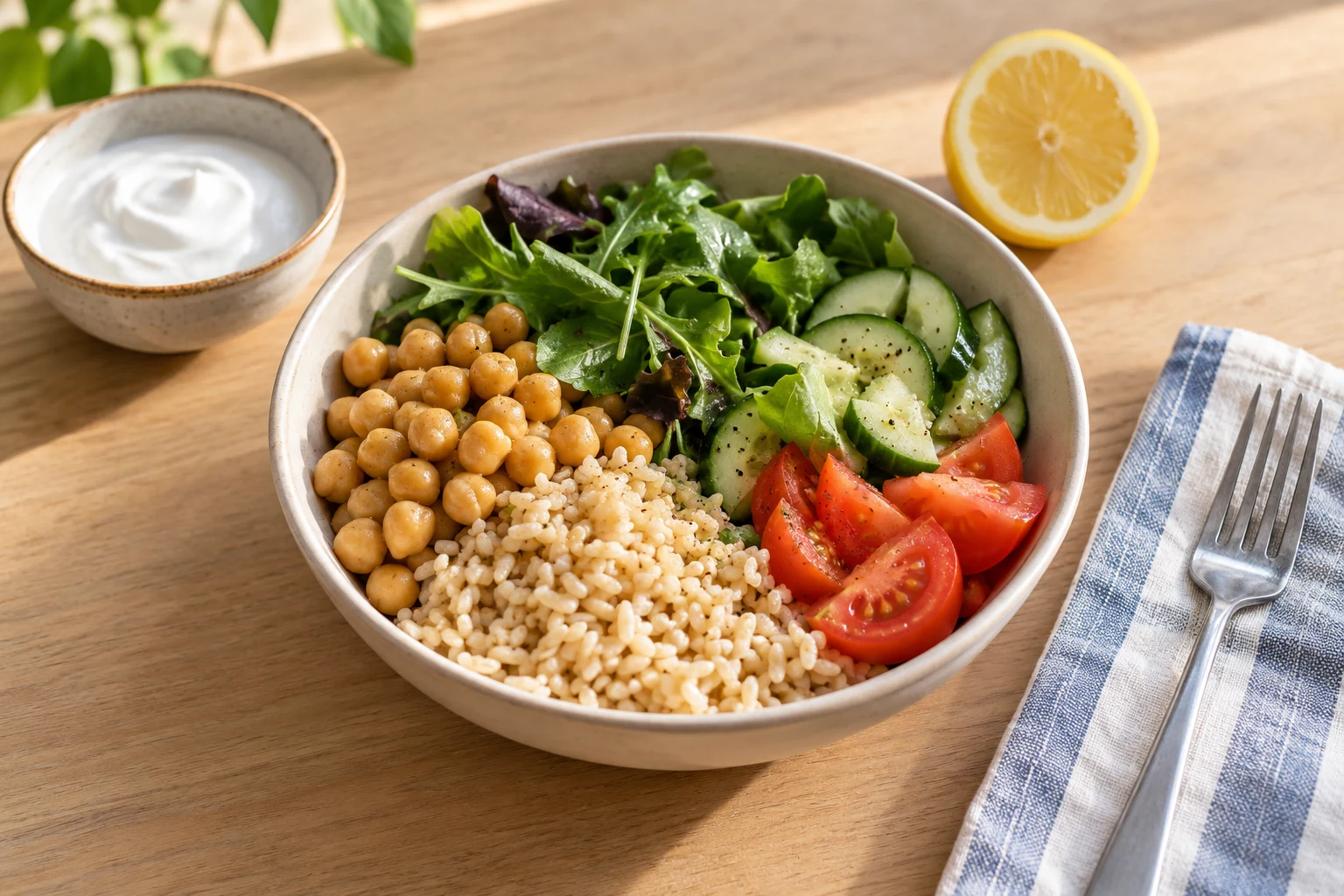
Pair one flexible base with two possible finishes. A cooked grain might support a vegetable bowl or soup; a sauce might finish pasta or a sheet-pan meal; shredded cooked meat might fill a taco or top a baked potato. Record the intended second use when freezing so the component has a job.
Texture changes matter. Crisp raw vegetables, delicate emulsions, and some dairy-rich preparations may not return as expected. Freeze a small portion first when quality is uncertain, and judge it after the same thawing and reheating method you would normally use.
Use safe thawing and reheating routes
USDA lists the refrigerator, cold water, and microwave as safe methods for thawing leftovers, each with different handling requirements. Frozen leftovers can also be reheated without thawing. Follow the detailed current instructions, and reheat leftovers to 165 degrees Fahrenheit as measured with a food thermometer.
Labels and attractive containers do not validate a recipe, establish that food stayed cold, or replace a thermometer. The system is successful when a household can name what is frozen, select a useful portion, and follow a safe route to the table.
Sources: USDA Food Safety and Inspection Service; USDA Food Safety and Inspection Service
Sources & further reading
Factual guidance is grounded in the sources below. Styling suggestions and decision aids are our editorial interpretation.
- The Next Big Things: Our Top Food Trend Predictions for 2026Whole Foods Market · Accessed October 1, 2026
- Freezing and Food SafetyUSDA Food Safety and Inspection Service · Accessed October 1, 2026
- Leftovers and Food SafetyUSDA Food Safety and Inspection Service · Accessed October 1, 2026
- Cold Food Storage ChartFoodSafety.gov · Accessed October 1, 2026
Written with care
Our aim is useful guidance, clear evidence, and considered choices. Found something that needs a second look? Tell us about a correction.